
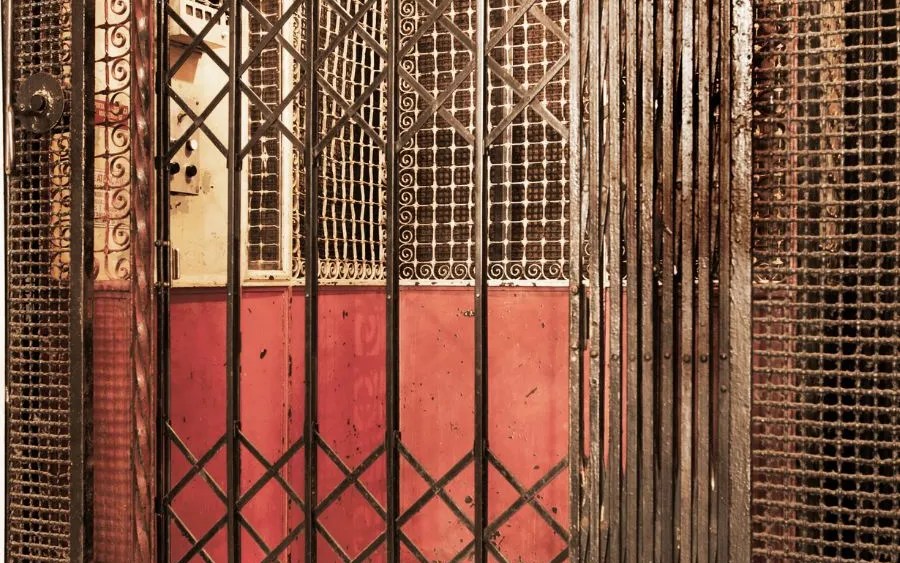
Evolution of Elevator Modernization: From Basic Upgrades to Futuristic Overhauls
Elevators have come a long way since their inception, evolving from basic mechanical lifts into advanced, technology-driven systems that prioritize efficiency, safety, and accessibility. Modernization ensures elevators remain reliable and aligned with today’s standards, making them safer, smarter, and more sustainable.
The Early Days: Basic Mechanical Upgrades
Initial elevator upgrades focused on mechanical improvements that enhanced safety and reliability. Early enhancements included stronger cables, improved braking systems, and more durable materials to reduce breakdowns.
Automation and Control Evolution
The introduction of automated systems replaced manual operation, improving convenience and reducing human error. Microprocessor-based controls later allowed smoother rides, more accurate leveling, and advanced fault detection.
Accessibility and Inclusivity
Modernization also addressed accessibility, ensuring elevators serve all users, including those with disabilities. Features such as braille buttons, audible signals, and wider doors made elevators more inclusive and compliant with regulations.
Smart Elevators: Digital Technology and Convenience
Today’s modernized elevators integrate digital technology. Equipped with destination dispatch, touchless controls, and predictive maintenance systems, they improve passenger flow and reduce downtime. Remote monitoring further enhances efficiency by identifying issues before they escalate.
Energy Efficiency and Sustainability
Sustainability has become a central focus of modernization. Energy-efficient motors, regenerative drives, and LED lighting reduce energy consumption while lowering operating costs and environmental impact.
Future Horizons: Predictive Maintenance and Vertical Mobility
The future of elevator modernization lies in AI-driven predictive maintenance, IoT-enabled systems, and next-generation vertical mobility solutions. These advancements ensure elevators not only transport people but also optimize performance, enhance safety, and integrate seamlessly with smart buildings.
Conclusion
The evolution of elevator modernization reflects the journey from simple upgrades to cutting-edge, sustainable technologies. By embracing modernization, property owners can extend equipment lifespan, meet regulatory requirements, and deliver safer, smarter, and more efficient vertical transportation for all users.